
Good Shepherd Mission – Fort Defiance
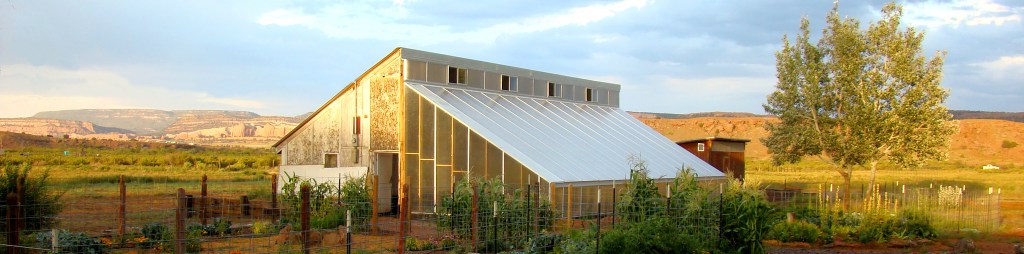
Built around 1980, this bio-shelter style greenhouse originally served as a horticultural vocational training center for young adult Navajos with developmental challenges. Later it became the main facility for the Navajo Nation’s program for sustainable small scale agriculture, New Dawn. By 2007 the building was seriously degraded due to lack of upkeep and excessive moisture rotting the wood framing. New Dawn was relocating to a new site and the greenhouse was going to be demolished.
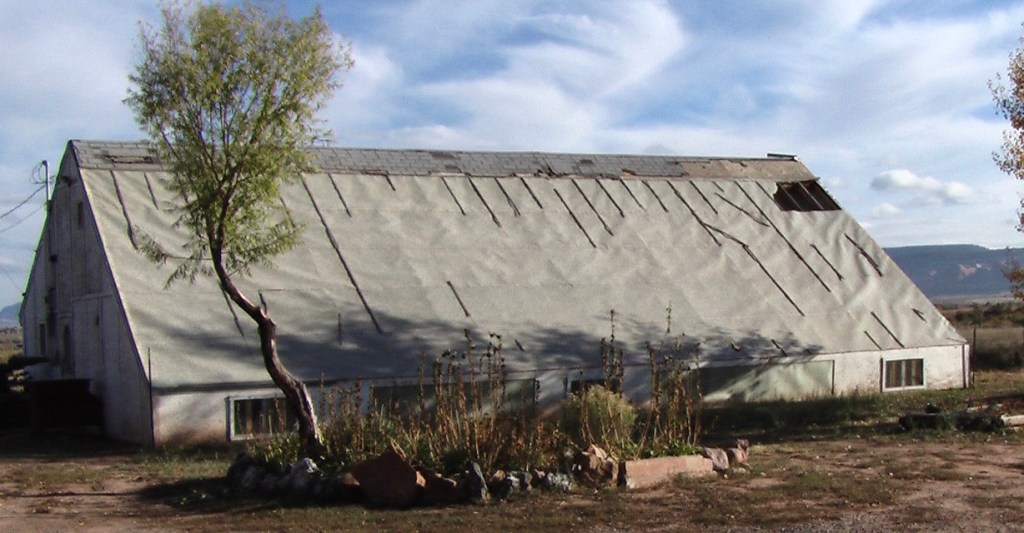
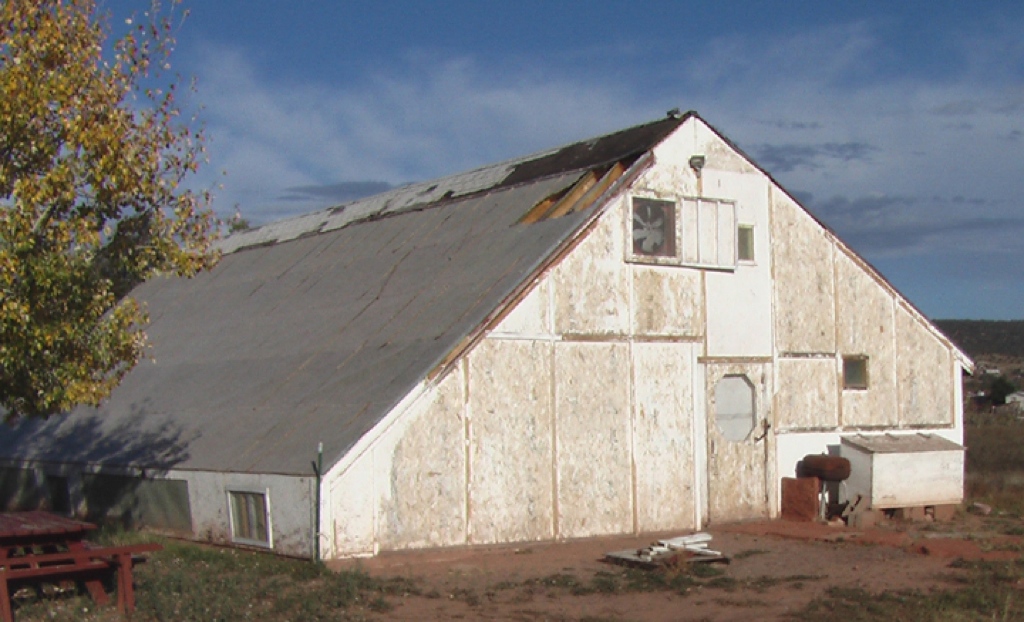
SEEDS was familiar with the building and believed that it could be rebuilt to serve as a vital resource for community and school garden programs, especially since it was only a five minute walk from the public middle school. With the help of friends and members of the Catholic churches in Telluride, Ouray and Durango Colorado, and with permission from the owners of the property, the Episcopal Church of Navajoland, we got to work.
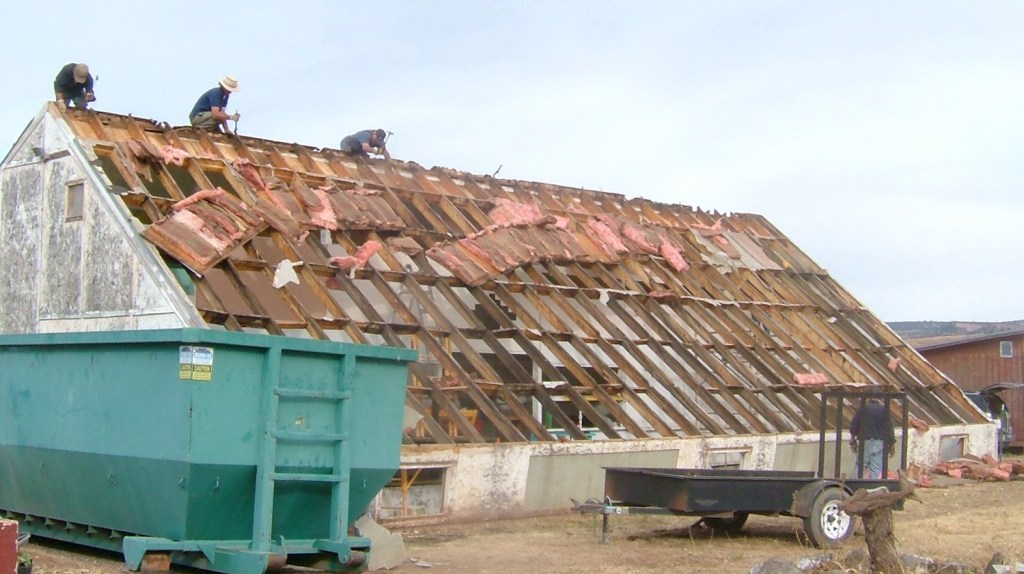
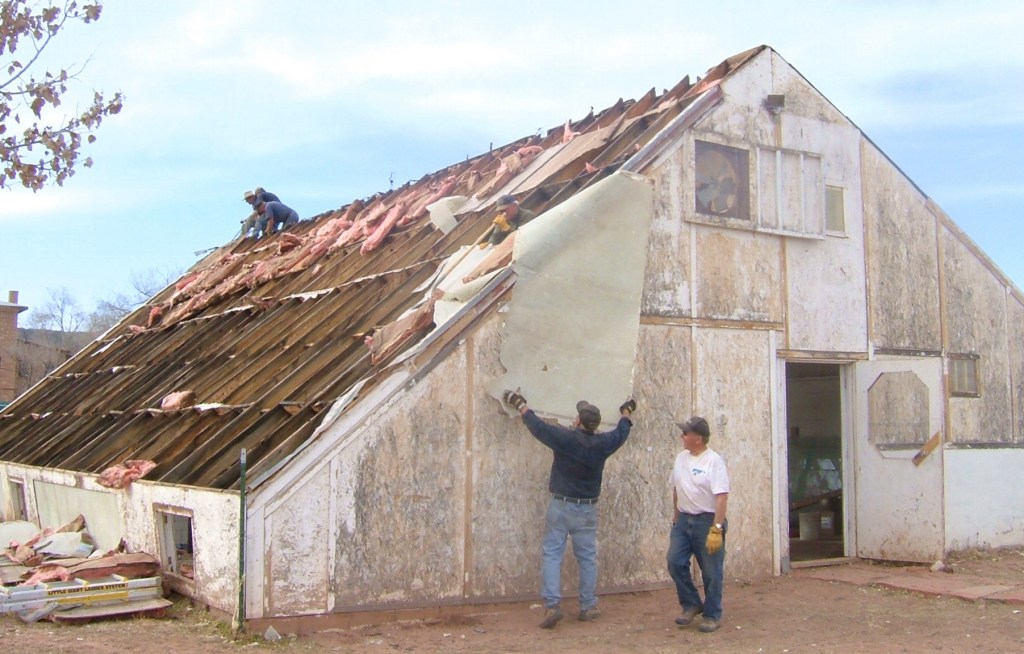
Old fiberglass glazing being removed along with the section of asphalt shingles and fiberglass insulation on the upper portion of the roof. The asphalt shingles on the north side of the roof were removed and replaced with metal roofing.
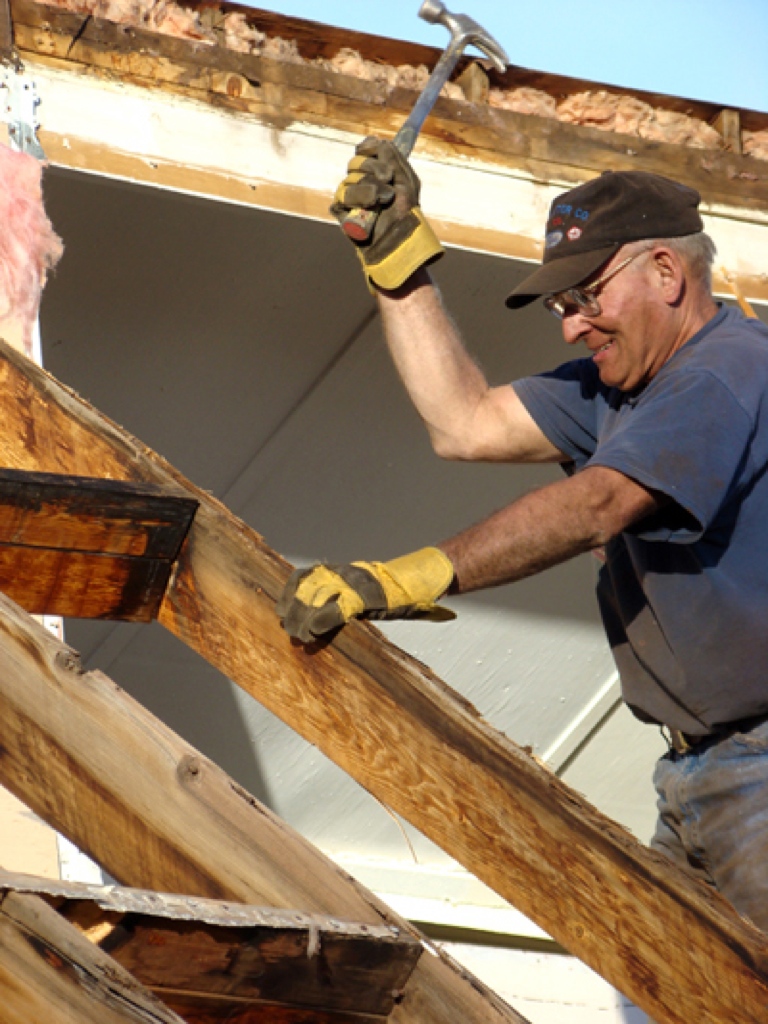
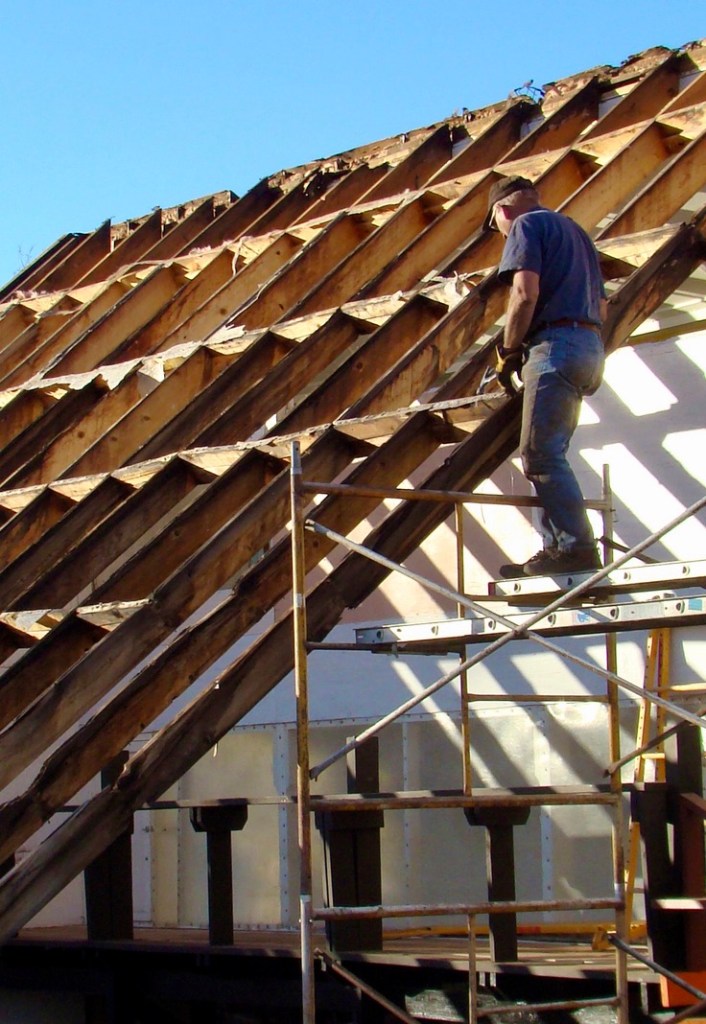
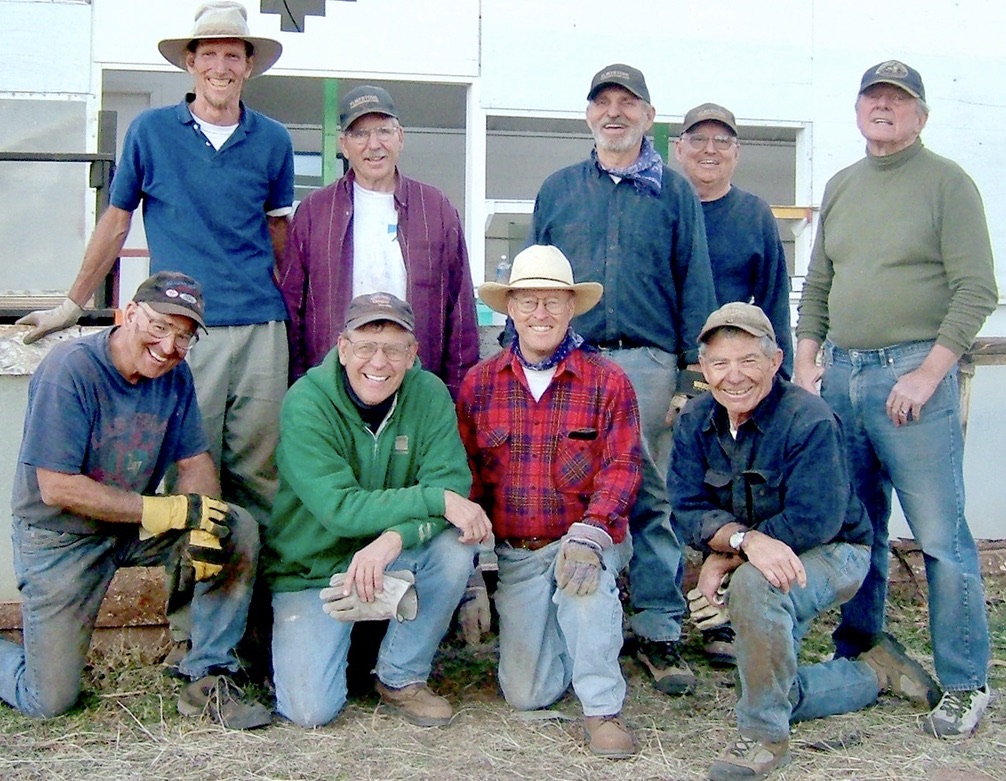
Many thanks to our hard working volunteers from Saint Daniel Church in Ouray, Colorado.
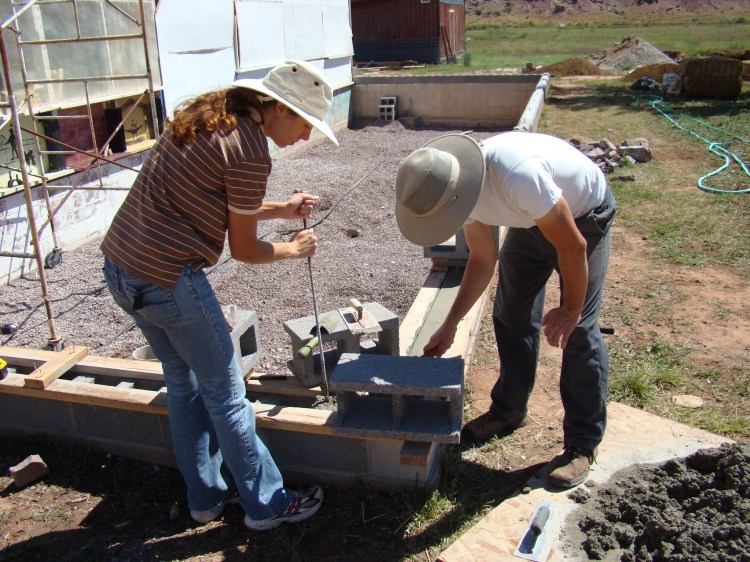
Strengthening the concrete block foundation wall and raising it 8 inches to elevate the wood framing above ground level and reduce exposure to moisture.
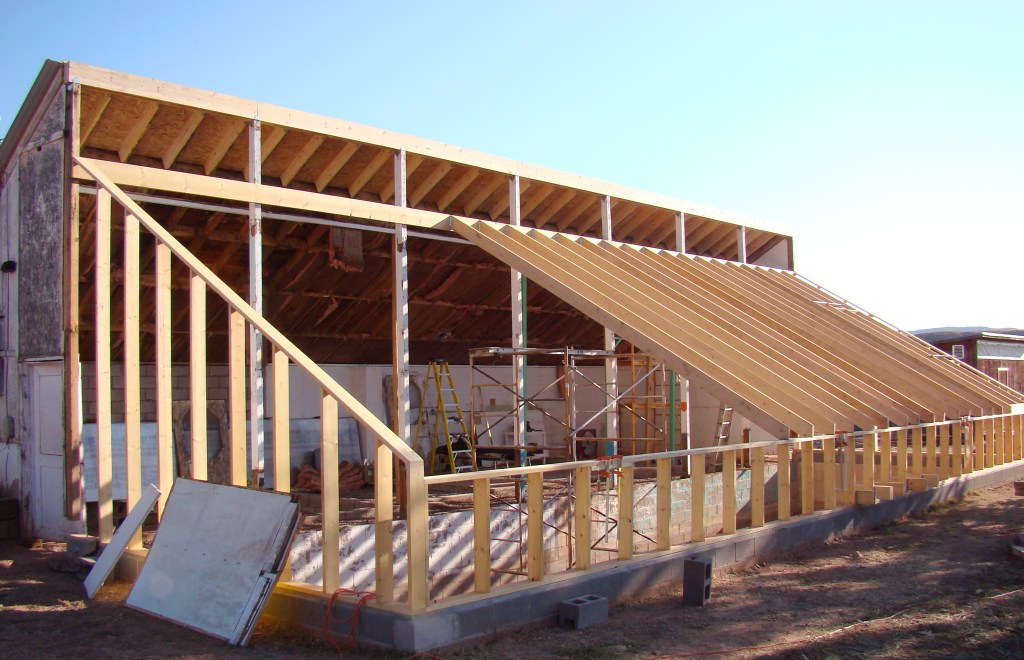
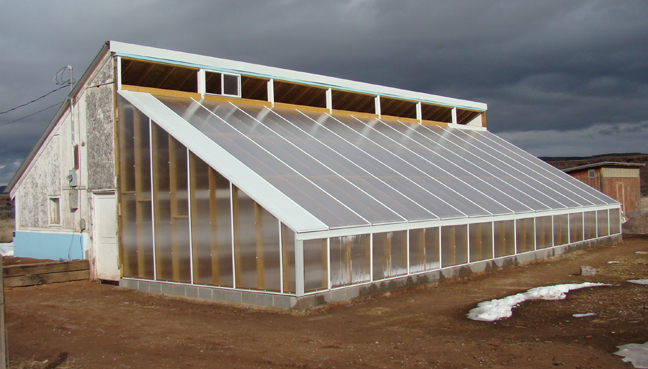
The roof line was lowered at the top to provide additional ventilation. The upper ends of the rafters on the north side and the ridge beam were replaced due to rotting from condensation. Insulated polycarbonate plastic (triple wall) glazing installed.
The renovation was mostly completed by the summer of 2009 when the greenhouse and surrounding garden began providing a space for after-school and summer gardening programs for the nearby Diné Boys and Girls Club. SEEDS also hosted and provided instruction for the USDA Master Gardener program every spring from 2009 to 2012 at the facility, and worked with the local alcoholic recovery program, Day At A Time, to offer horticultural therapy sessions. In the years since then the greenhouse continues to produce seedling garden starts for the local community and school gardens every spring and provides space for a demonstration garden and classes staffed by the Navajo Nation’s Tsehootsoi Medical Center’s wellness program.
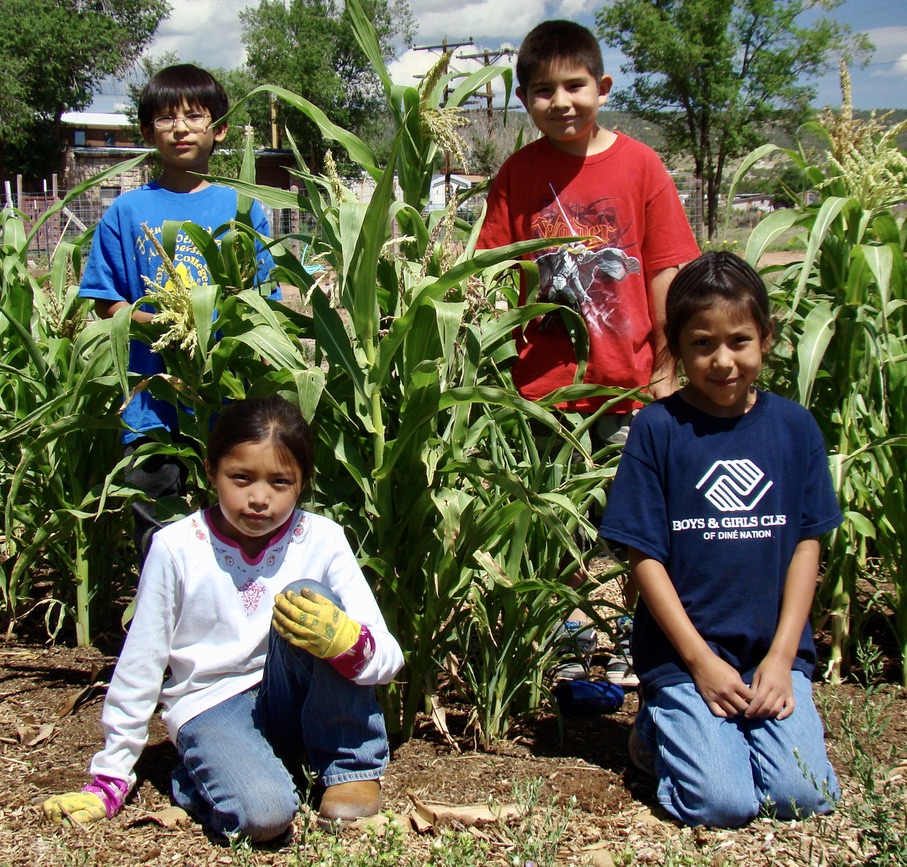
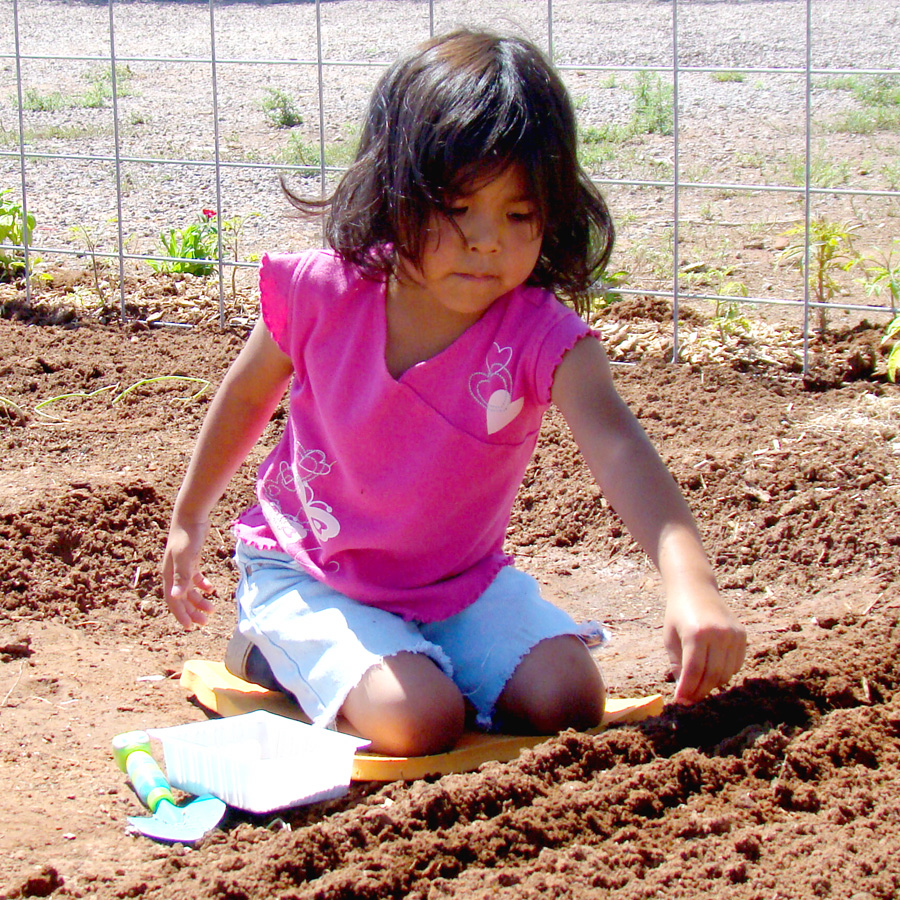
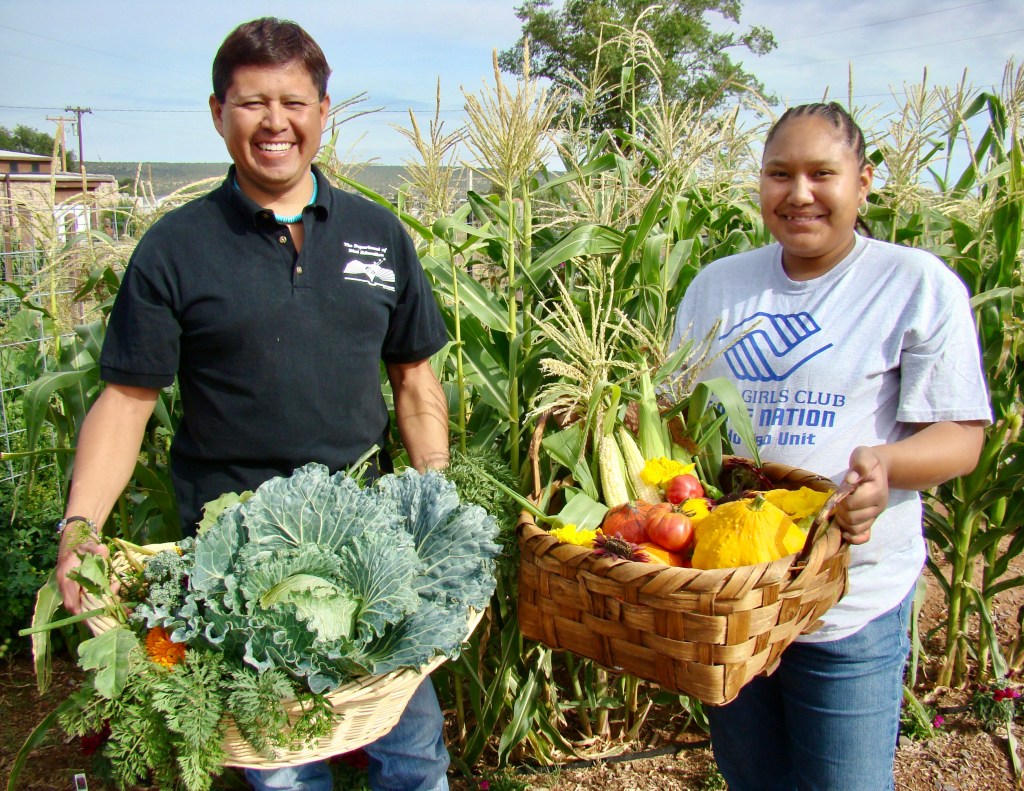
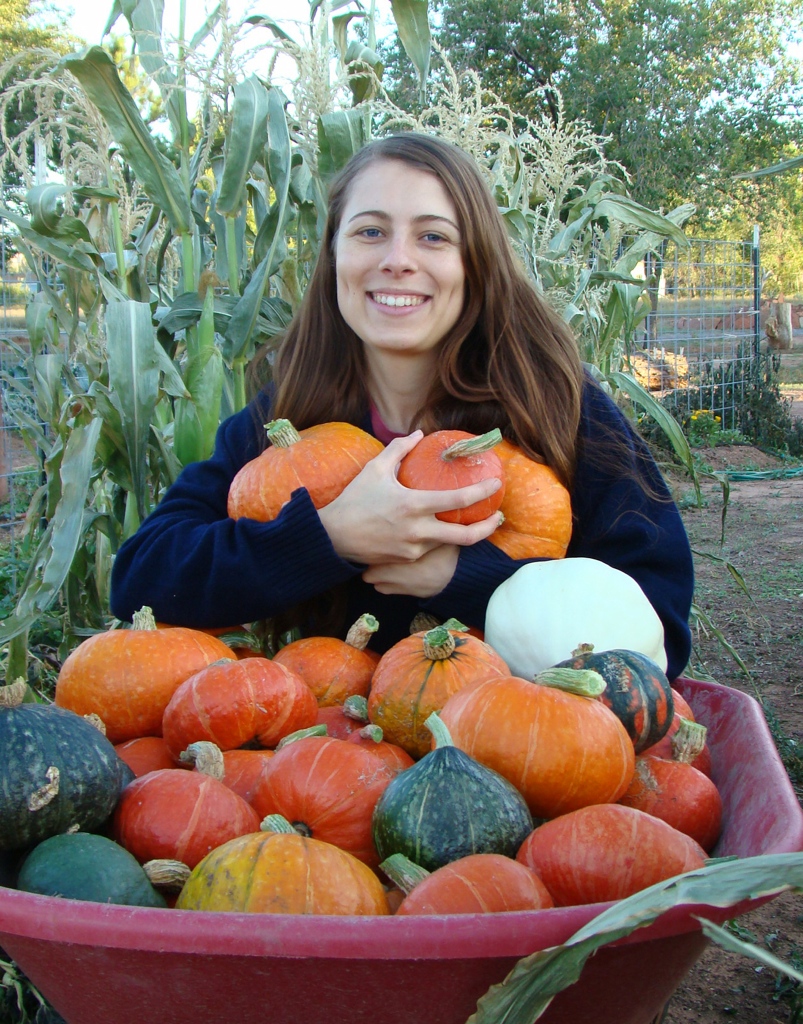
The greenhouse operates year round heated only by the sun, even through the winter when night time temperatures can dip below zero Fahrenheit. The passive solar design serves a model for how homes can be solar heated and produce food in an indoor winter garden.
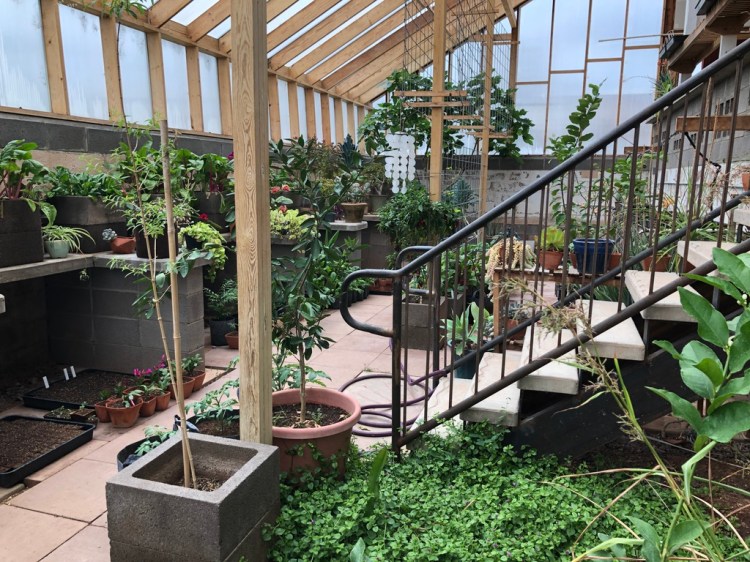
The south half of the greenhouse is 5 feet below ground level.
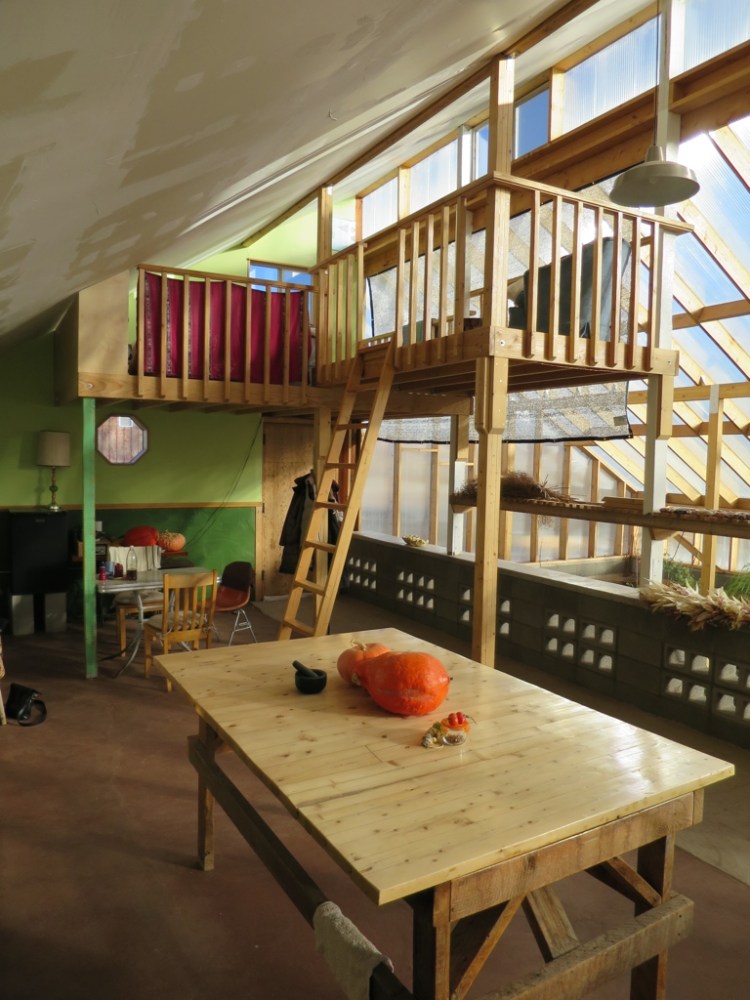
A sleeping loft provides overnight accommodations for volunteers.
*
Rez Refuge Greenhouse – Fort Defiance
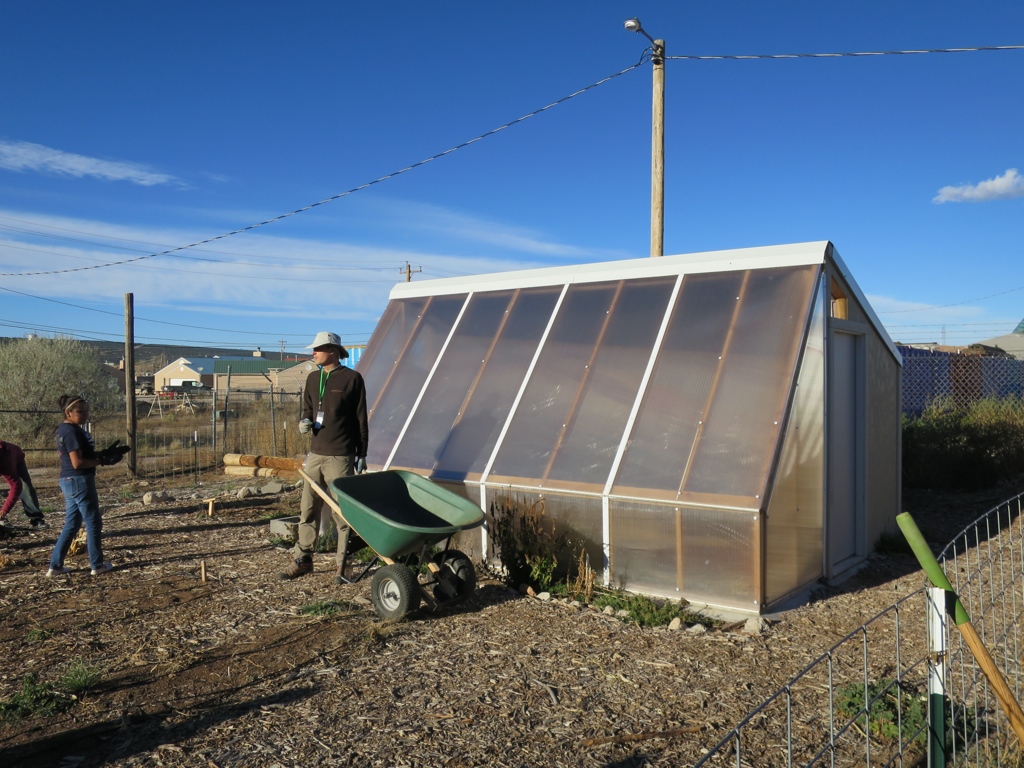
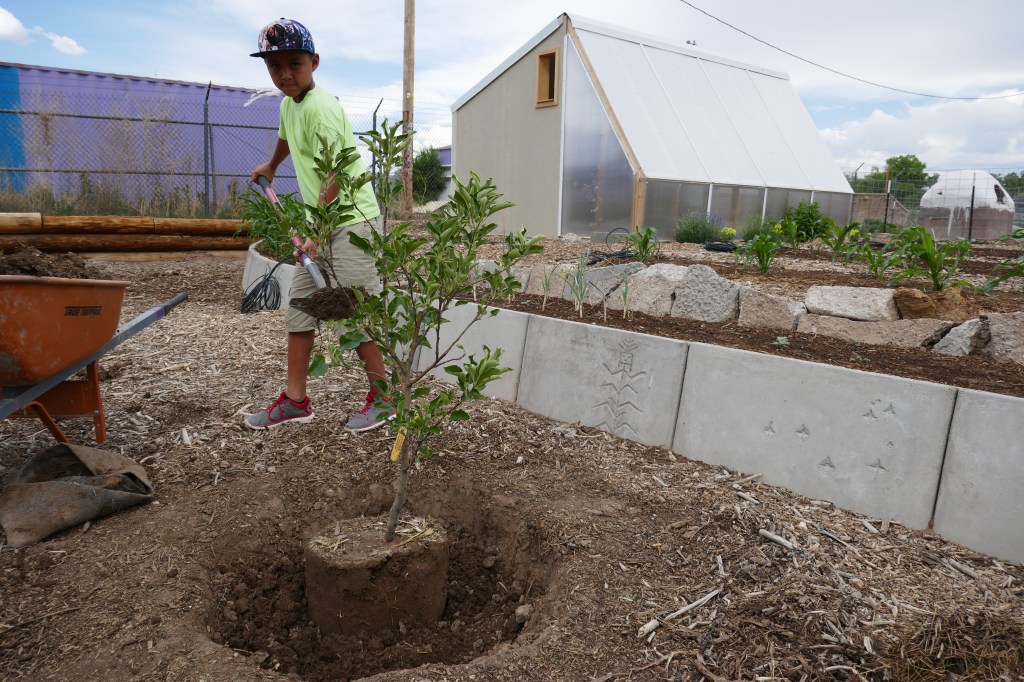
Rez Refuge Community Center provided a variety of after school programs for neighborhood youth. Seeds designed a small 12′ x 16′ passive solar heated greenhouse and assisted with garden design and implementation. This very popular and successful garden program and all programs at Rez Refuge were disrupted by the pandemic and its future is currently being re-imagined.
*
Saint Michael Indian School Greenhouse
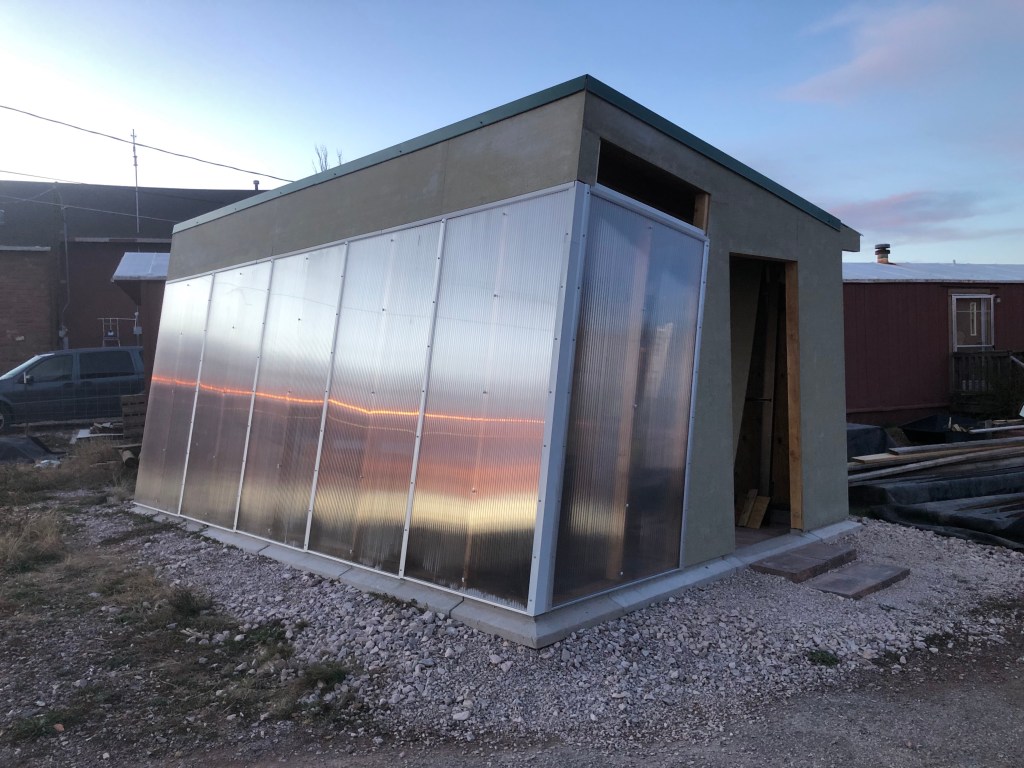
This is an evolution of the greenhouse design at Rez Refuge that was built last fall, 2022. Some work remains to be completed but we hope to be starting seedlings this spring. The space on the south facing wall above the poly-carbonate glazing could accommodate photovoltaic solar panels.
*
Saint Michaels Association for Special Education – Window Rock
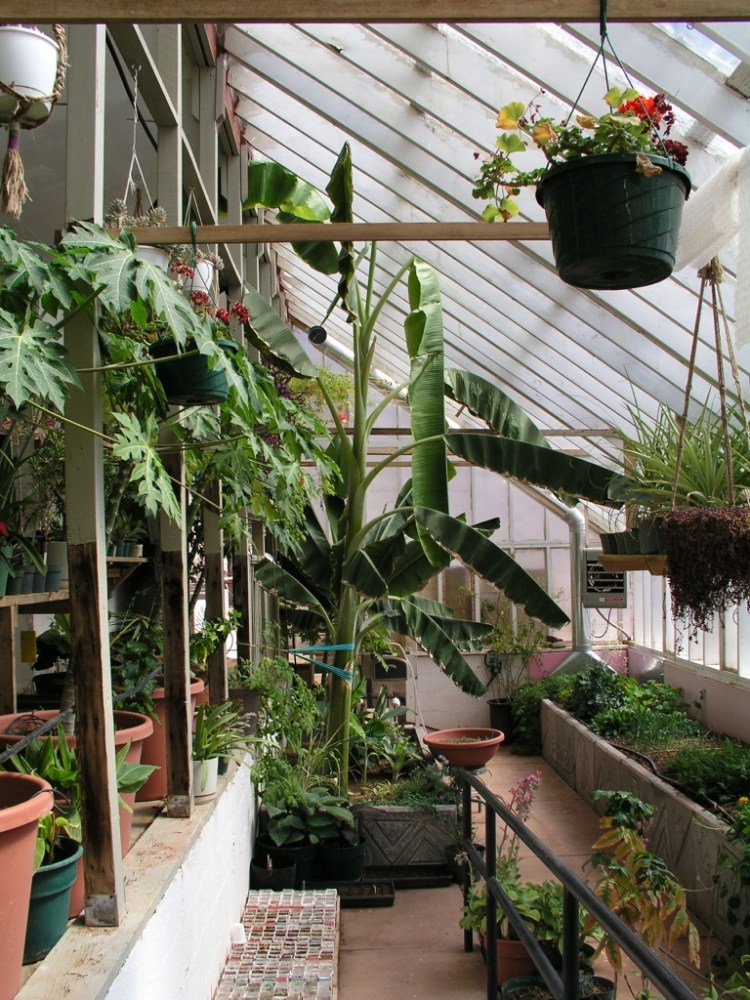
Tropical food forest established in the greenhouse at Saint Michaels Association for Special Education, 2005.
Built sometime in the late 1970s and similar to the greenhouse at Good Shepherd Mission, but smaller, with a wheelchair ramp descending to the lower level. This was part of thriving garden program for students with developmental challenges, infants to 21 years of age. When SEEDS visited the school in 1999, the program had been mostly discontinued years ago. Intrigued by the possibility for restarting the program and the benefits it would provide to the students, SEEDS relocated from southwest Colorado to Window Rock in 2000 to begin our odyssey on the Navajo Reservation. Funding and encouragement for the project was provided by our friends at the Catholic churches in Telluride and Ouray, Colorado, and by the John & Sophie Ottens Foundation.
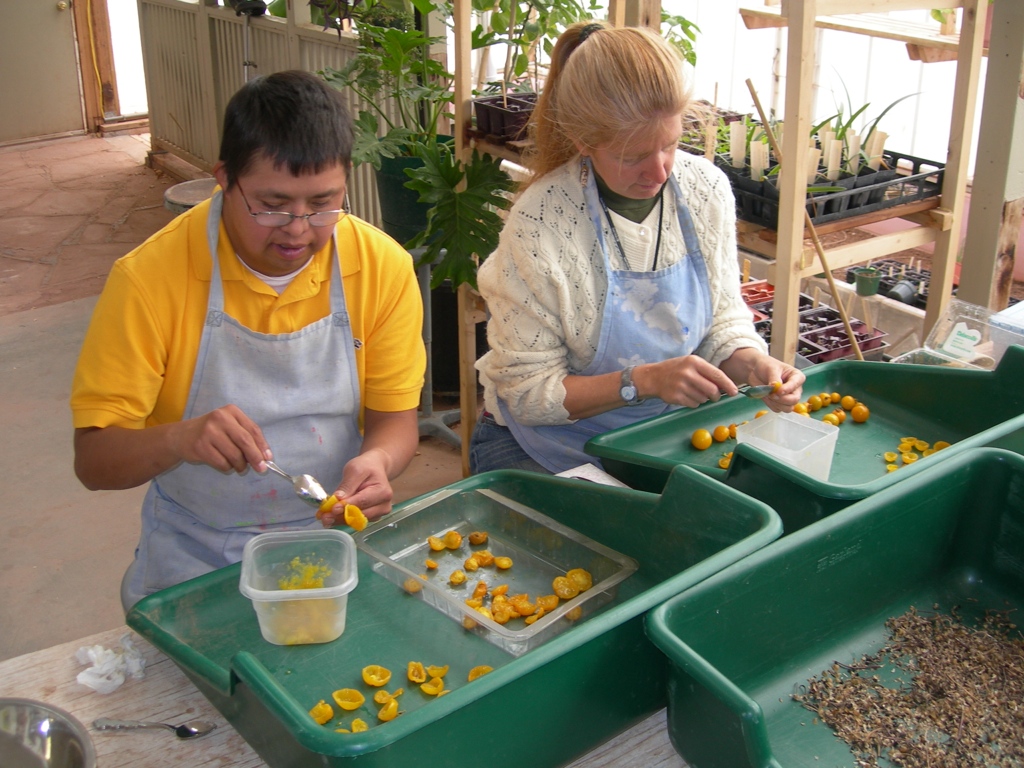
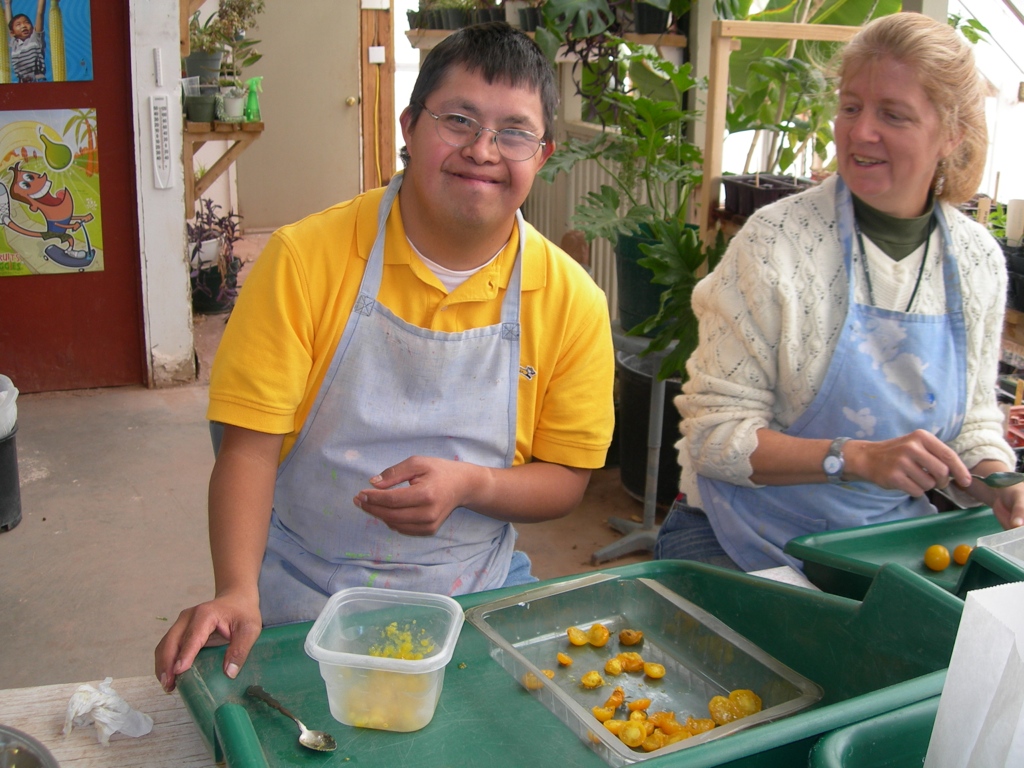
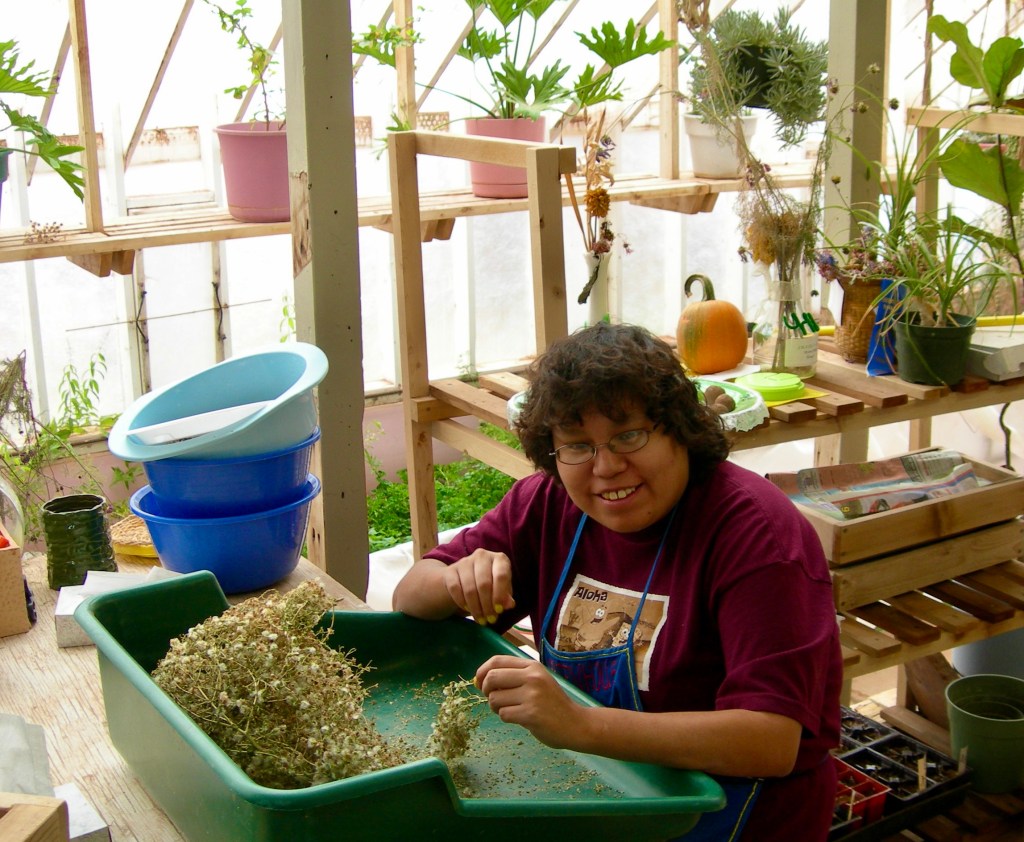
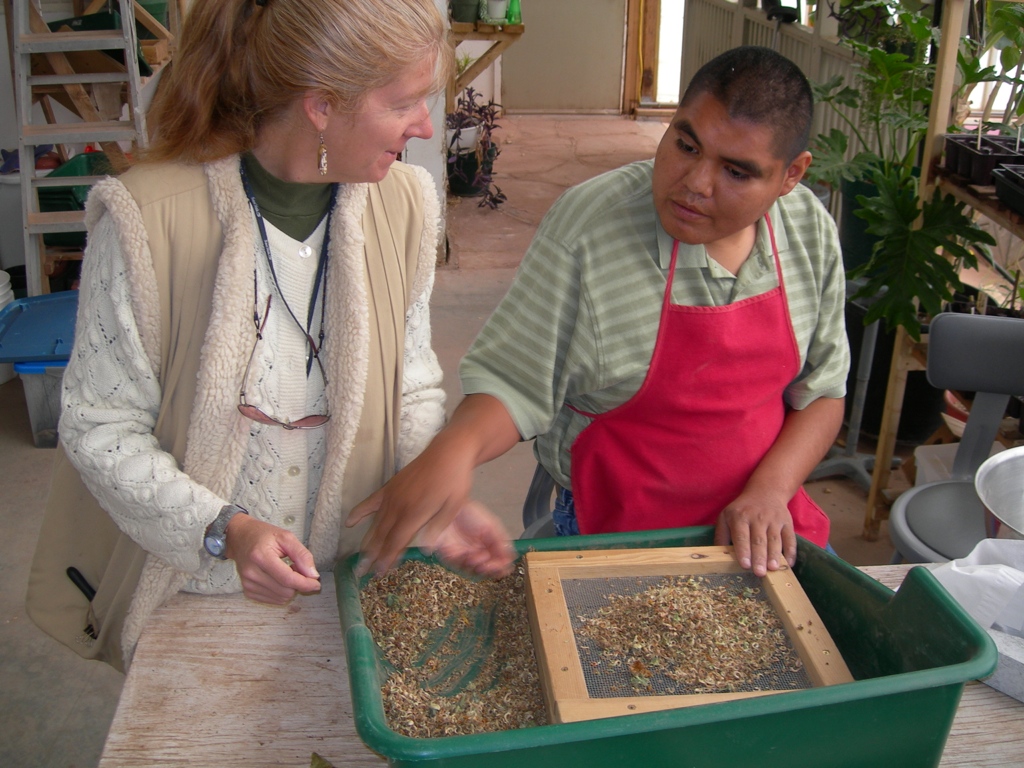
Seed saving was a popular and productive activity for students in the greenhouse. We were beginning a promising enterprise involving the processing, packaging, distribution and sale of several types of heirloom garden crops. In these photos golden cherry tomato and lettuce seeds are being processed. Native varieties of melon, squash and corn were also collected by students. Regrettably, the school administration changed its priorities in 2006 and the project was abruptly discontinued. If funding became available, SEEDS could restart this program at another location.
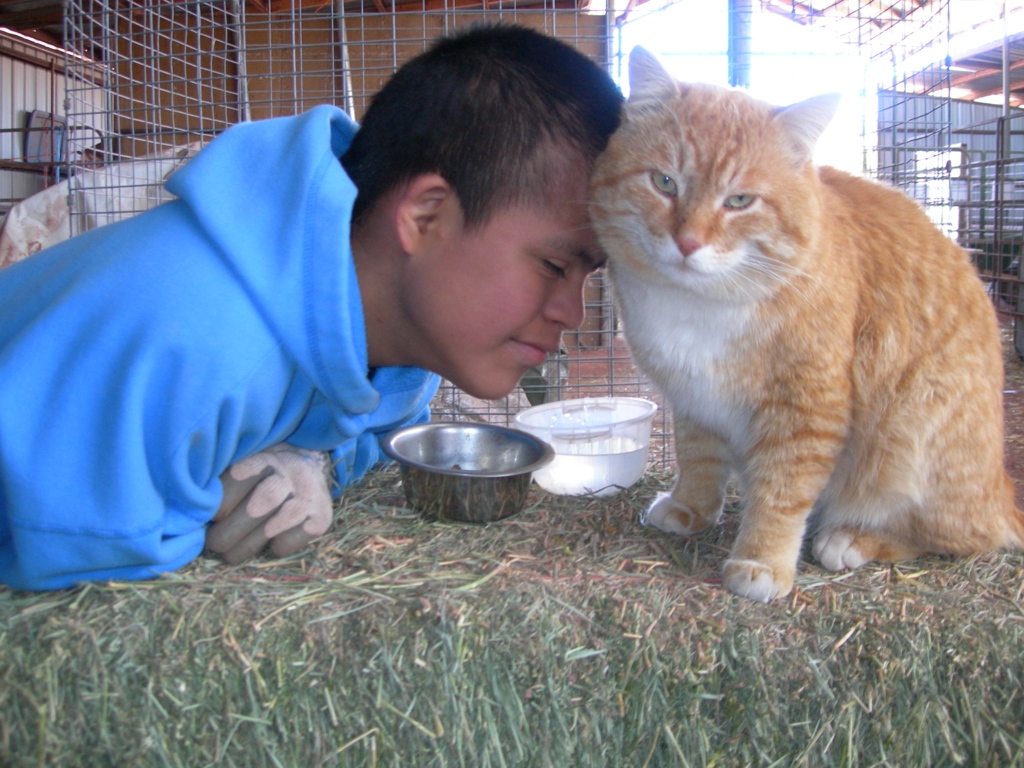
Nearby the greenhouse, SEEDS developed an animal therapy program involving a small herd of pygmy angora goats, miniature cheviot sheep, churro sheep and 2 miniature horses, and one very friendly barn cat (Barney.) The animals and students quickly established a rapport and enjoyed going on walks along a hillside trail system established for such purposed and landscaped with attractive native plant species that checked erosion and added visual interest. Although these photos are not about greenhouses, they are too sweet not to put them somewhere in this website.
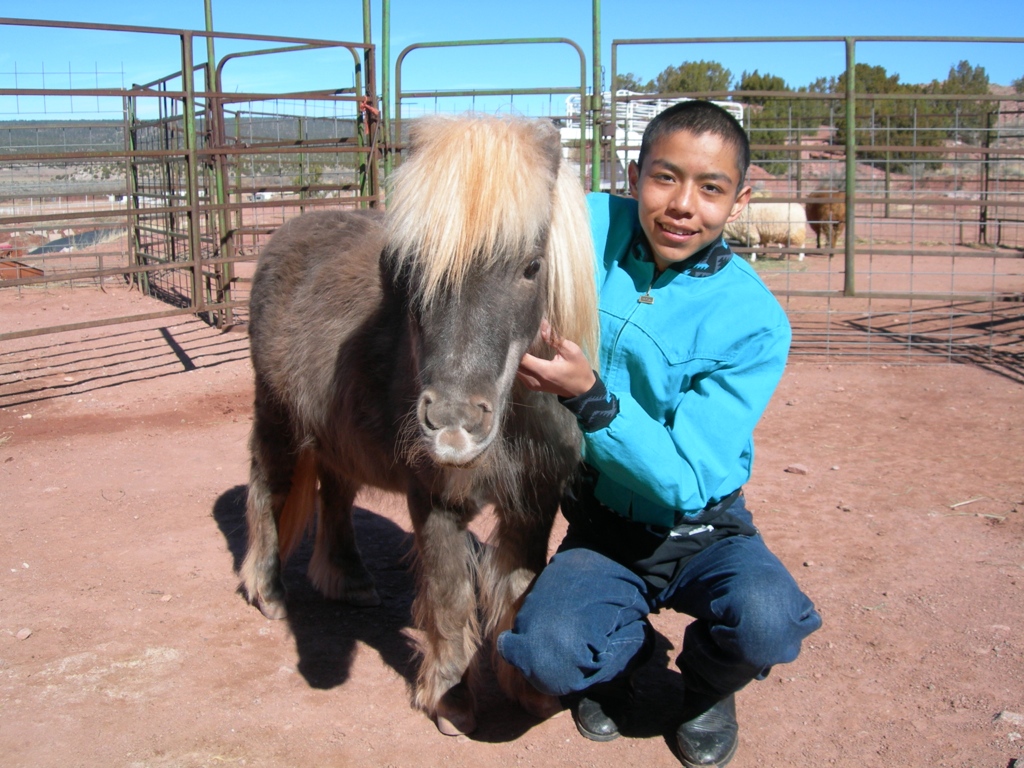
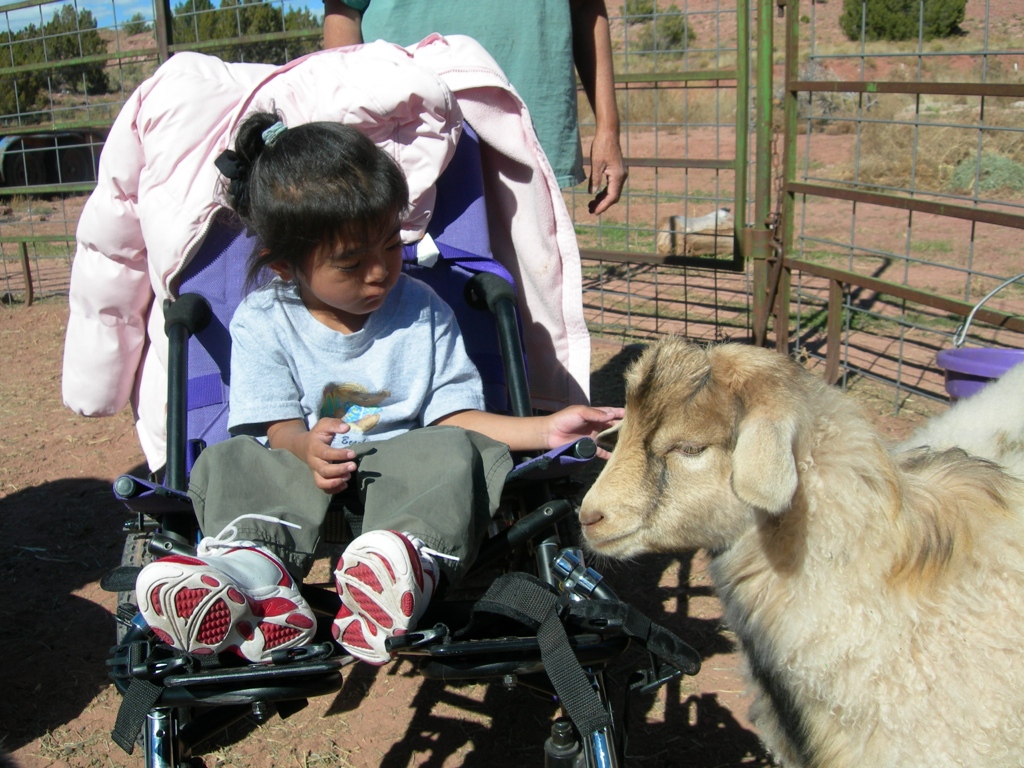
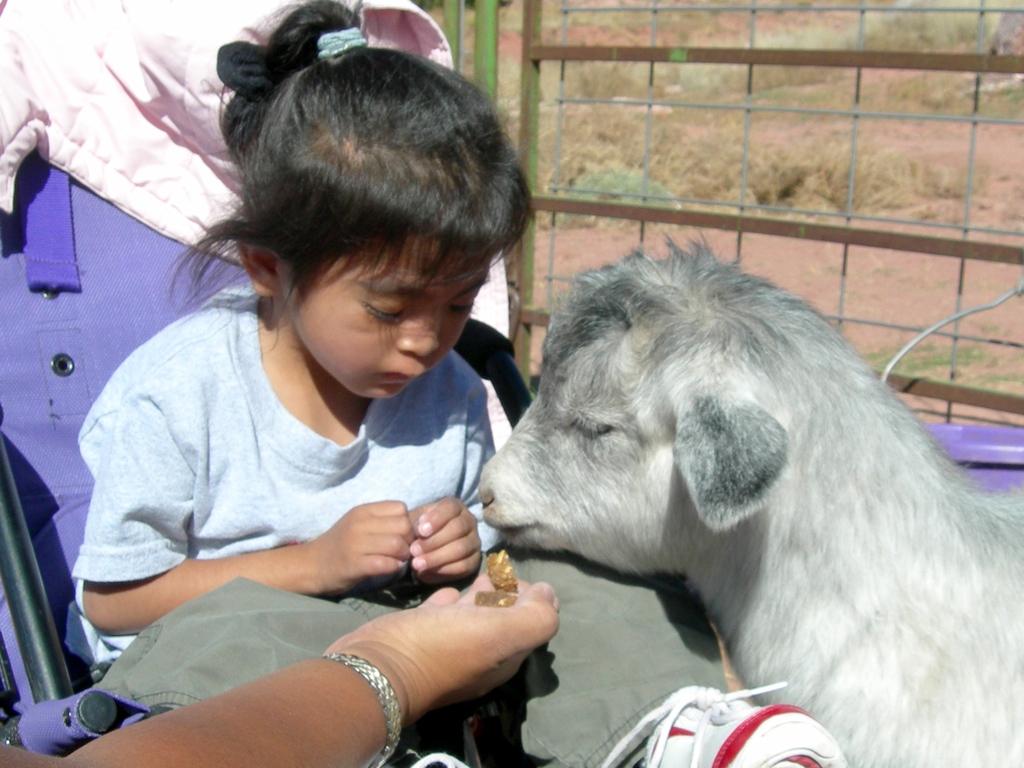
*
Ancient Past and Future Potential
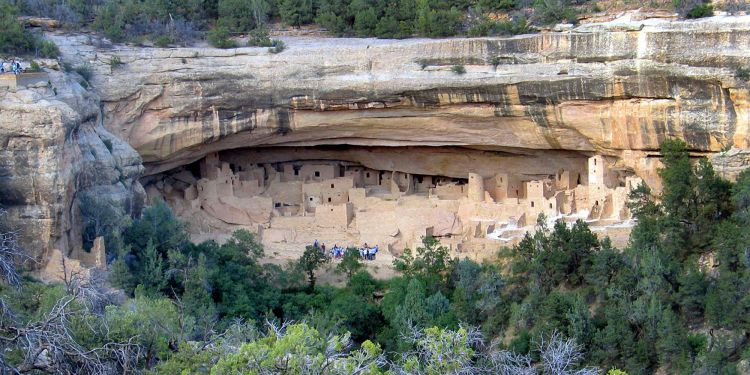
The idea of creating a passive climate controlled living environment has been around for millennia. These cliff dwellings at Mesa Verde National Park were warmed by the sun in winter when the sun is lower in the sky. The masonry and stone absorb heat during the winter days and radiate the stored heat at night to take the chill off the air. In the summer, with the sun higher in the sky, the dwellings are shaded by the overhanging cliff. Nighttime temperatures cool the dwellings and the coolness lingers through the heat of the summer days. This simple concept could be applied to our contemporary architecture much more than it is.
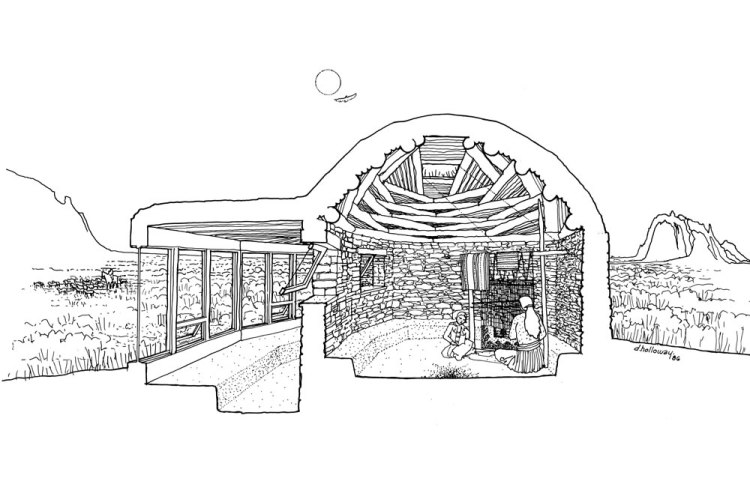
Rendering of a traditional Navajo hogan with a passive solar greenhouse by Dennis R. Holloway.
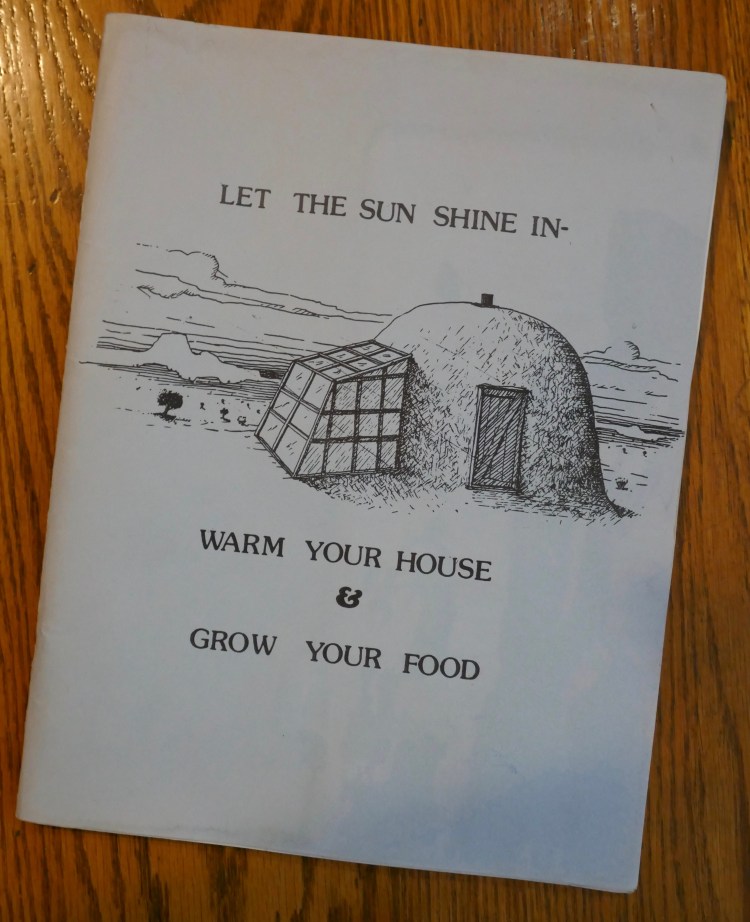
In 1981, the Navajo Nutrition Self-Help Project published this “how to manual” written by David Hartie-Shutte and illustrated by Gerald Bahe. The content is more relevant now than ever.
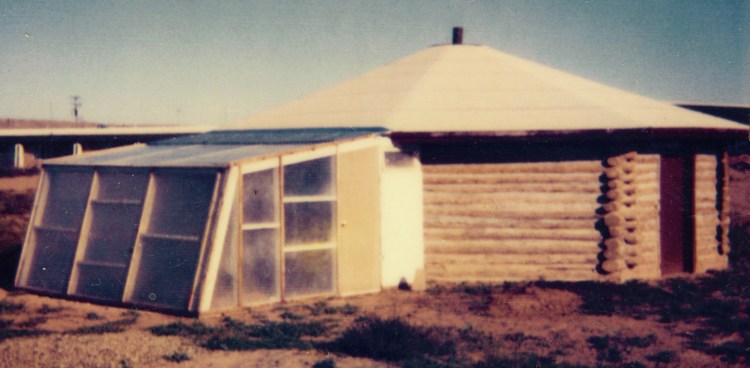
Polaroid photo of a housing unit for nurses at the Chinle Hospital.
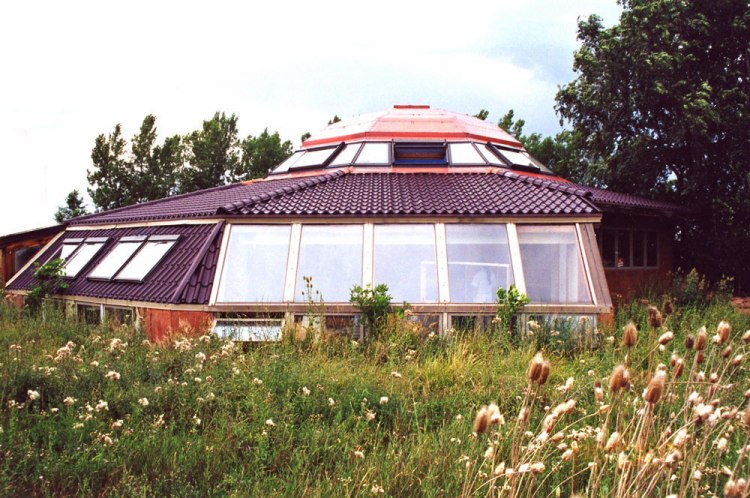
Dennis R. Holloway designed this deluxe solar hogan at the University of Colorado, College of Environmental Design. Although it created some excitement with the Navajo Housing Authority, it was too expensive to be adopted as a design model for reservation housing. Sadly, the state-of-the-art hogan was demolished a few years after it was built to make room for a student housing complex.
 Sunrise Ecological Education & Design Services